
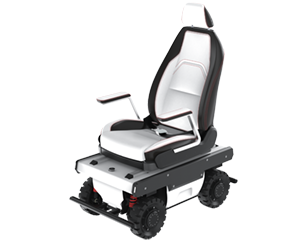
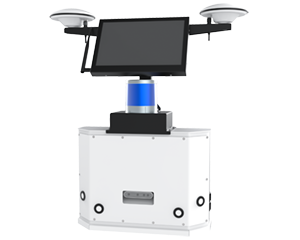
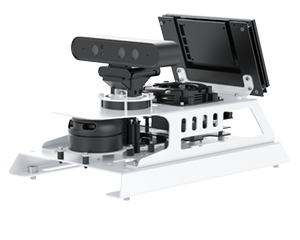
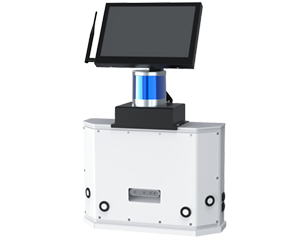
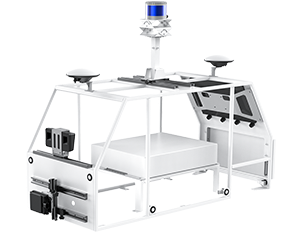

YUHESEN Launches NV-AUTO Autonomous Navigation System for Industrial Mobile Robots
Following six years of in-depth collaboration and scenario validation alongside industry partners, YUHESEN officially launches the NV-AUTO Autonomous Navigation System. Powered by a proprietary artificial intelligence framework, NV-AUTO integrates industrial-grade safety architecture with an intuitive human-machine interface (HMI). It delivers highly reliable, high-efficiency autonomous mobility across challenging sectors—including energy, chemical manufacturing, nuclear power, and heavy logistics—empowering global robotics OEMs to accelerate commercial fleet deployments.
I. Industry Pain Points: Why Industrial Robotics Demands NV-AUTO
Across modern industrial operations, driving operational efficiency is paramount, making mobile robotics increasingly indispensable. However, across large-scale, long-haul indoor and outdoor facilities, deploying traditional automated platforms often exposes significant engineering roadblocks:
- Complex product development cycles, low code integration, and steep secondary development thresholds;
- Stringent demands on operational safety, continuous travel speeds, and diverse sensor mounting configurations;
- Protracted on-site commissioning windows and high maintenance overhead that repeatedly stall project timelines.
Robotics developers urgently require a standardized, turnkey hardware-software navigation foundation with simplified graphical interfaces and industrial-grade safety logic to truly unlock sustained productivity gains. NV-AUTO was engineered specifically to meet this industry need.
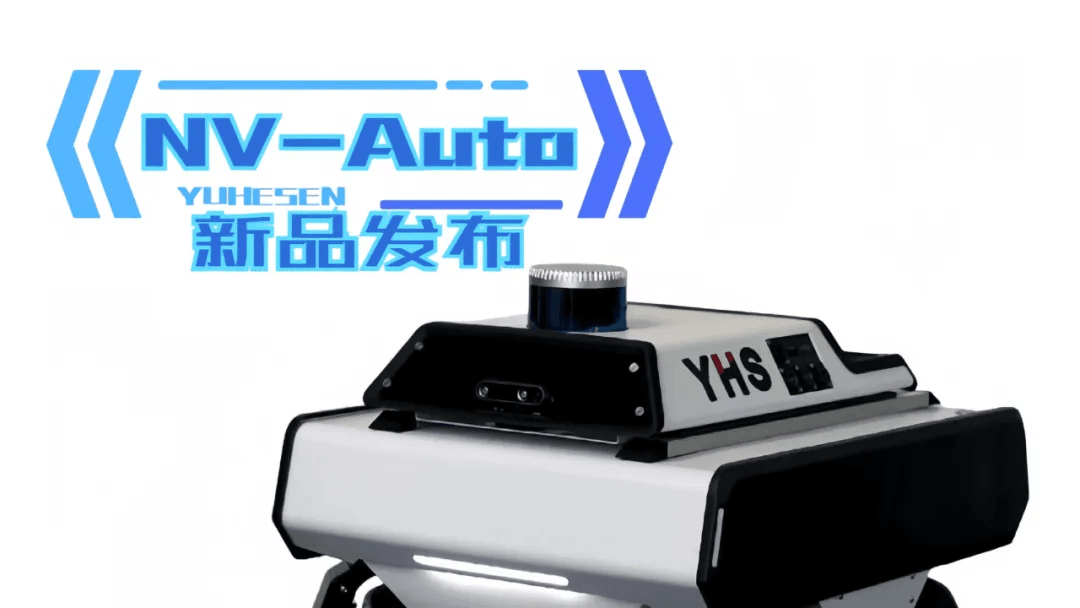
II. Core Capabilities of NV-AUTO: Intelligent, Safe, and Collaborative
1. Autonomous Multi-Sensor Perception & Intelligent Decision-Making
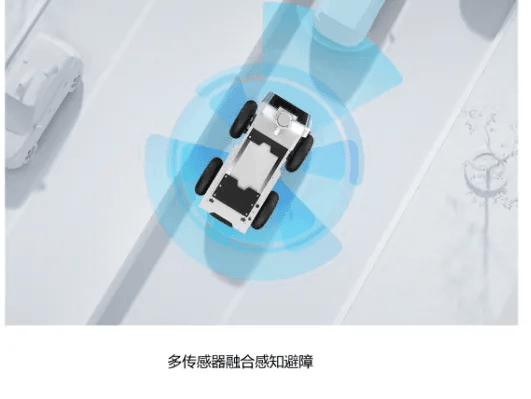
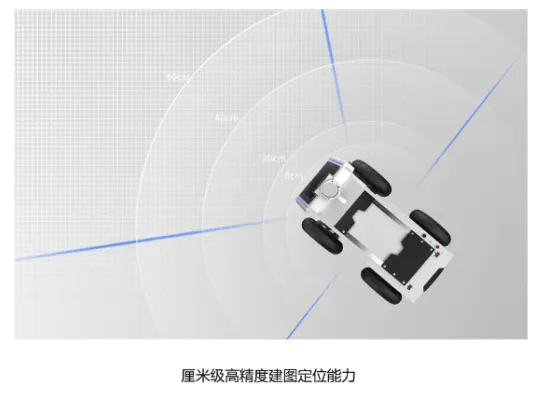
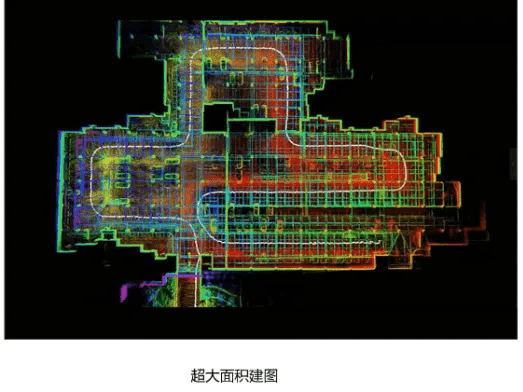
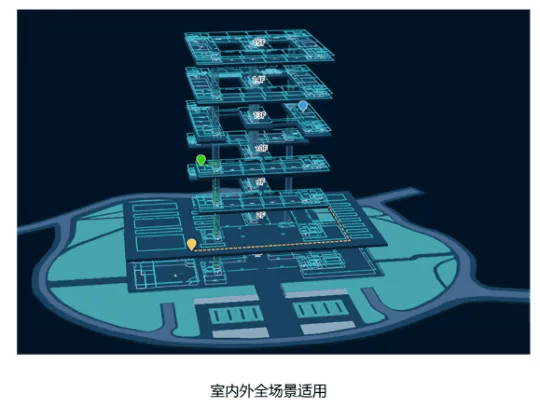
Built upon YUHESEN’s proprietary algorithmic framework, NV-AUTO incorporates an advanced multi-sensor fusion architecture to accurately model operating surroundings and generate real-time path planning decisions. Across confined operating zones in chemical plants, power substations, or nuclear facilities, the system proactively evaluates spatial clearance, dynamically modulating speed and trajectory to ensure safe, seamless human-robot collaboration.
2. Streamlined Human-Machine Interface (HMI)
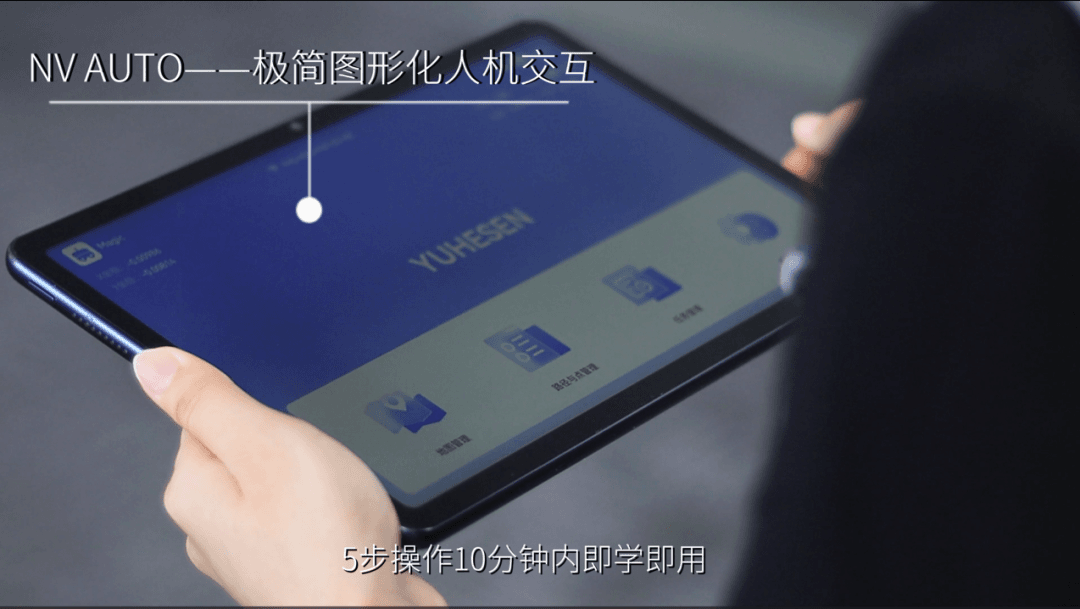
Featuring an intuitive, graphical user interface, field operators can master system controls with minimal onboarding. The system interprets commands instantly, interfaces smoothly with external equipment, and supports automated fleet coordination to maximize overall plant operational productivity.
III. Five Core Strategies Empowering Partner Efficiency and Cost Optimization
1. Standardized Open API Ecosystem
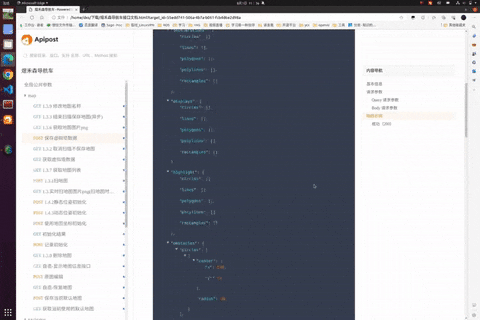
Through robust open APIs, NV-AUTO interfaces directly with third-party software stacks, payloads, and enterprise dispatch systems. This standardized workflow shortens product development cycles, elevates quality consistency, curtails R&D expenditure, and accelerates commercial delivery windows for mobile robotics integrators.
2. Dynamic Mission Modalities
NV-AUTO provides configurable operating modes tailored to specific mission profiles:
- Guide-Track Navigation: For high-precision tracking requiring tight repeatability and continuous throughput;
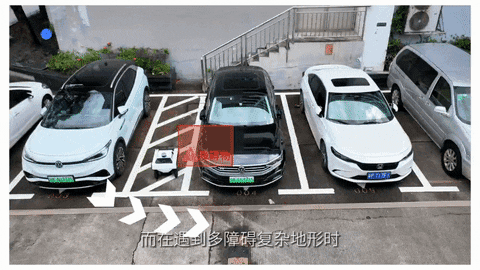
- Free Autonomous Mode: For wide-area point-to-point transit featuring dynamic real-time obstacle circumvention;
- Graphical Waypoint Teaching: For rapid site commissioning across complex, obstacle-dense facilities.
This operational versatility slashes on-site commissioning timelines and minimizes comprehensive overhead.
3. Telemetry Analytics & Process Optimization
The navigation stack logs real-time operational telemetry across all sensor subsystems, offering comprehensive data visibility. Integrators can leverage these data streams to optimize automated workflows, pinpoint production bottlenecks, and systematically improve end-customer productivity.
4. Continuous Algorithmic Self-Evolution
NV-AUTO incorporates adaptive learning mechanisms that accumulate operational experience to self-optimize motion profiles over time. With continuous data iteration, tracking accuracy and transit efficiency scale alongside operational maturity.
5. Autonomous Interactive Docking & Charging
Upon mission completion or low-voltage alerts, NV-AUTO autonomously plans routes back to base stations for automated recharge without manual intervention. Integrated Battery Management System (BMS) logic safeguards thermal safety, improves cell reliability, and prolongs battery lifespan, providing the foundation for sustained 24/7 industrial fleet operations.
IV. YUHESEN Ecosystem Vision: Building an Intelligent Future Together
As industrial automation grows increasingly intricate, monolithic development models are giving way to collaborative ecosystems. YUHESEN is dedicated to expanding our partner network, sharing foundational technological building blocks, and co-creating specialized robotics solutions.
Whether deployed in smart logistics, defense applications, digital energy, or hazardous material management, YUHESEN provides scalable chassis hardware and autonomous navigation stacks that drive down total cost of ownership (TCO) and maximize market competitiveness.
Exceeding customer expectations remains our guiding principle. We invite global partners to join us in establishing an open, scalable mobile robotics ecosystem that propels industrial automation to new heights.


