
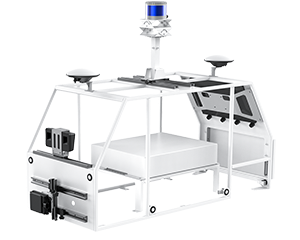

Both Are 4WD — What Exactly Sets 4WD-4WS Apart from 4WD Skid-Steer?
In high-end applications such as intelligent elderly-mobility robots and industrial special-purpose inspection, the flexible control capability of the chassis directly determines product competitiveness. This article provides an in-depth analysis of the core advantages of the 4WD-4WS mobile robot chassis across three dimensions: structural principles, motion control, and real-world applications.
1. Structural Comparison: Simpler and More Compact
1.1 4WD Skid-Steer Structure
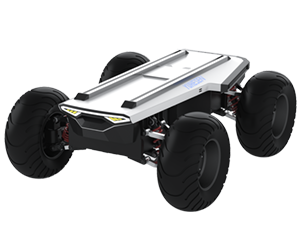
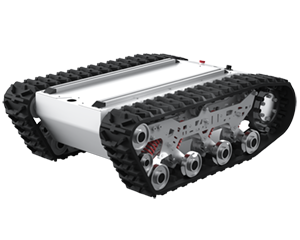
In a 4WD skid-steer structure, steering is powered by the differential between the left and right motors. Power travels from the motors through gear reducers to the front and rear axles on each side, and finally to the wheels. To guarantee power output during in-place rotation and left/right turns, some designs must incorporate additional reducers, resulting in a cramped internal layout and an overall structure that is bulky and heavy.
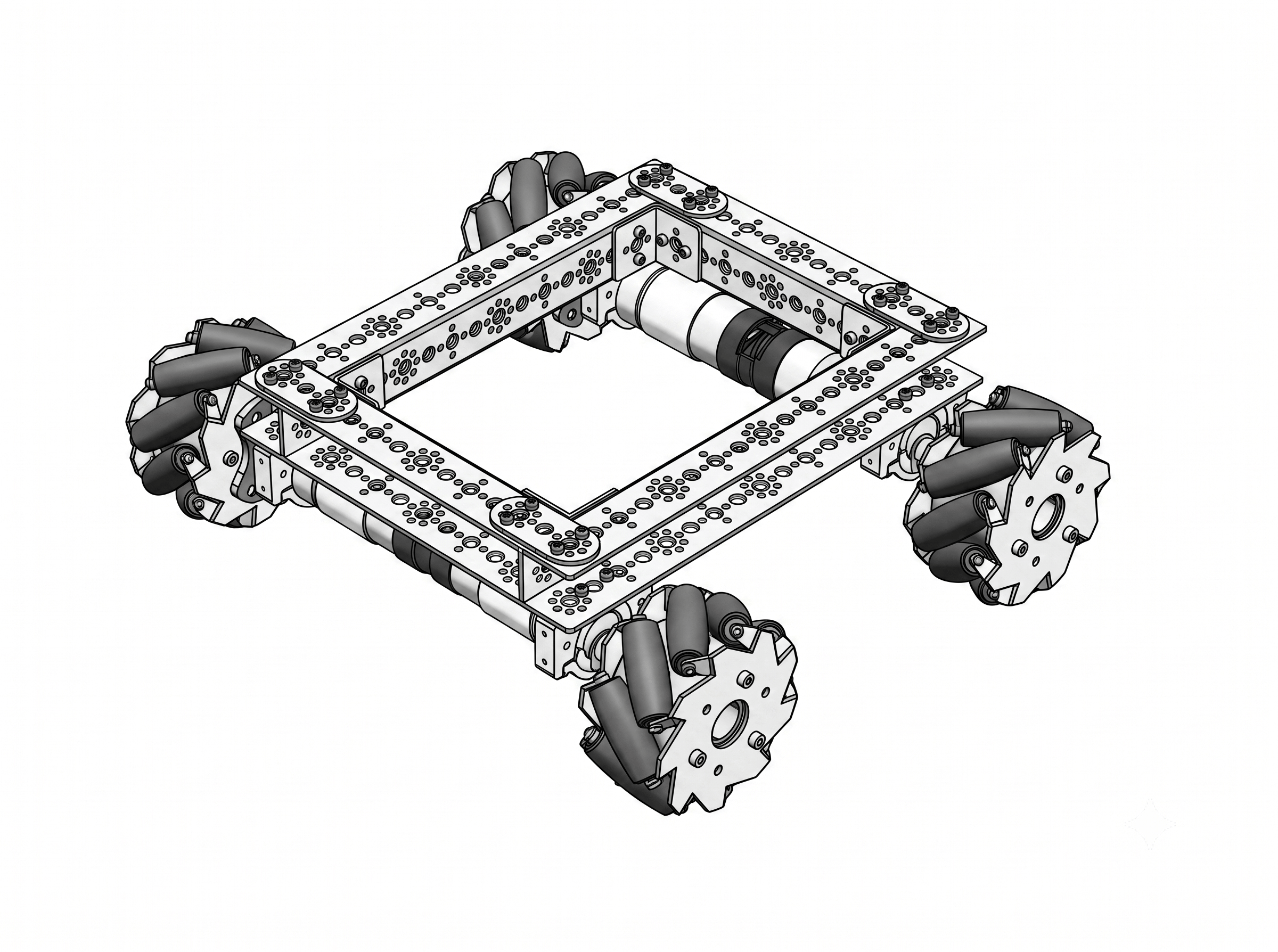
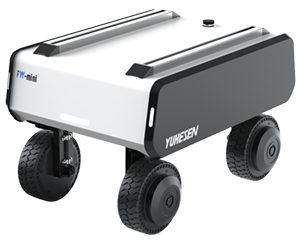
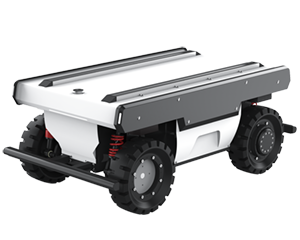
4WD skid-steer structure
1.2 4WD-4WS Structure
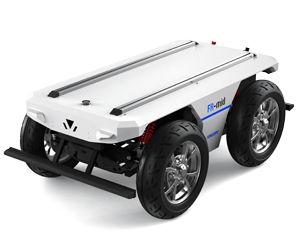
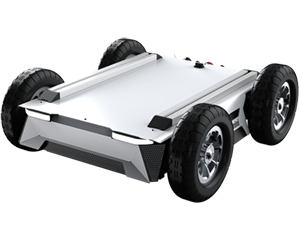
The 4WD-4WS structure eliminates intermediate transmission components such as gear reducers: motor power is converted directly into drive force, and steering is controlled by independent motors. The structure is simpler and more compact, with a significantly reduced parts count. Fewer components mean a lower failure rate and higher stability — an inherent advantage in control efficiency.
2. Control Precision: The Leap from "Skidding" to "Rolling"
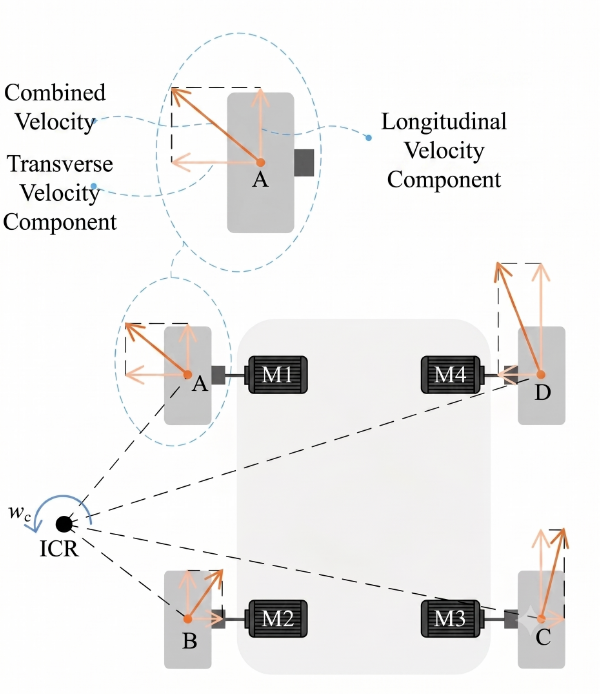
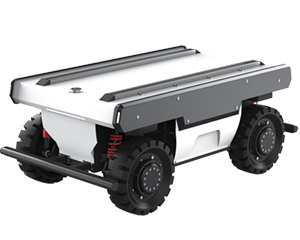
Conventional skid-steer mobile robot
A conventional skid-steer mobile robot steers via the speed difference between its left and right wheels. In real operation it is affected by ground friction, making position drift likely and control precision insufficient. In addition, the limited service life of gear reducers and mechanical structures means skid-steer robots require shorter maintenance intervals in industrial and consumer scenarios that demand continuous, stable operation — an inherent weakness.
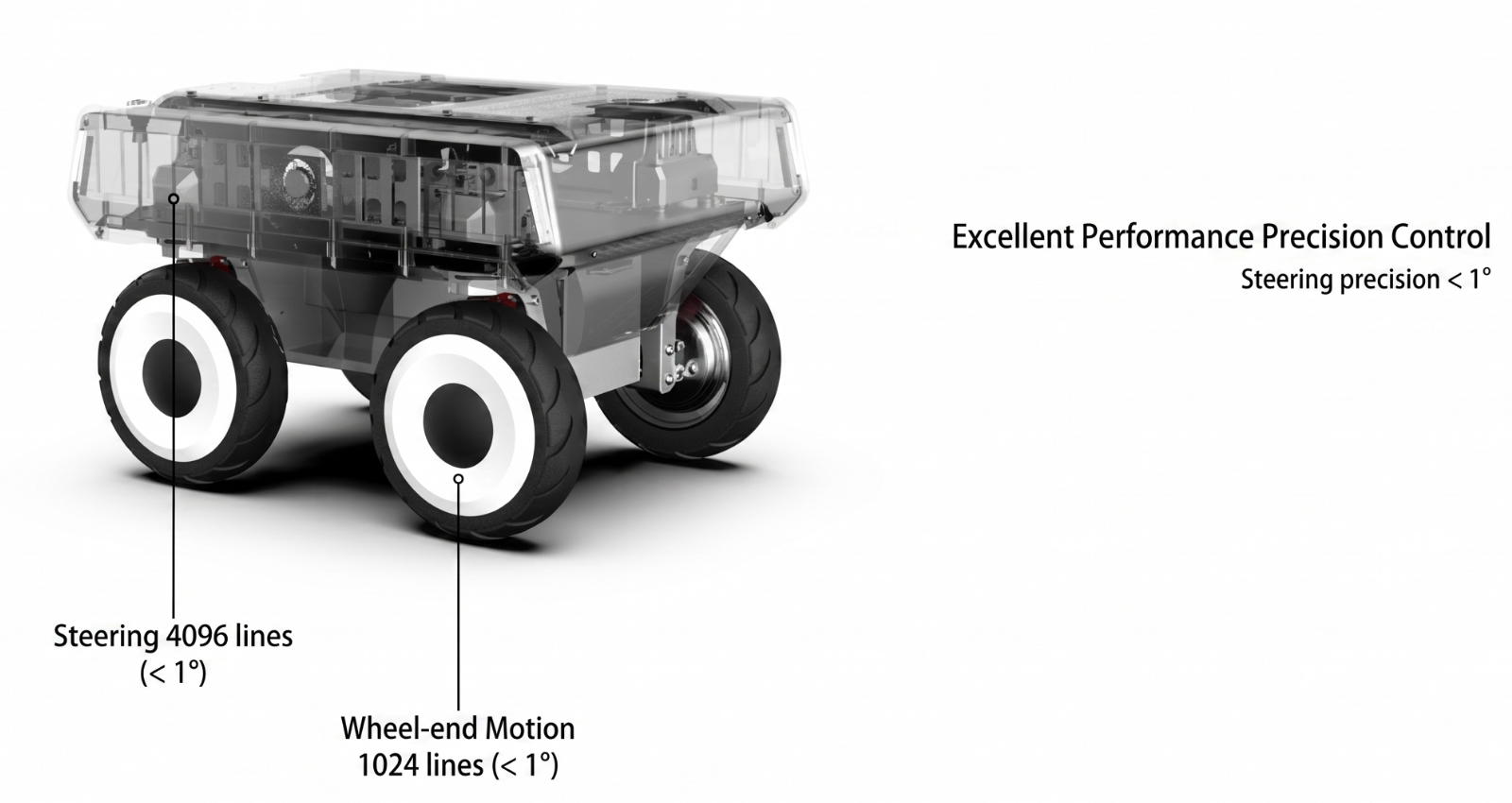
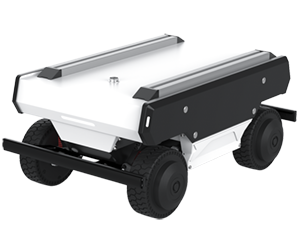
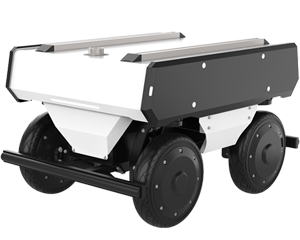
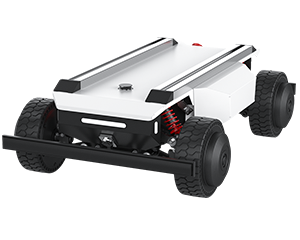
4WD-4WS mobile robot chassis
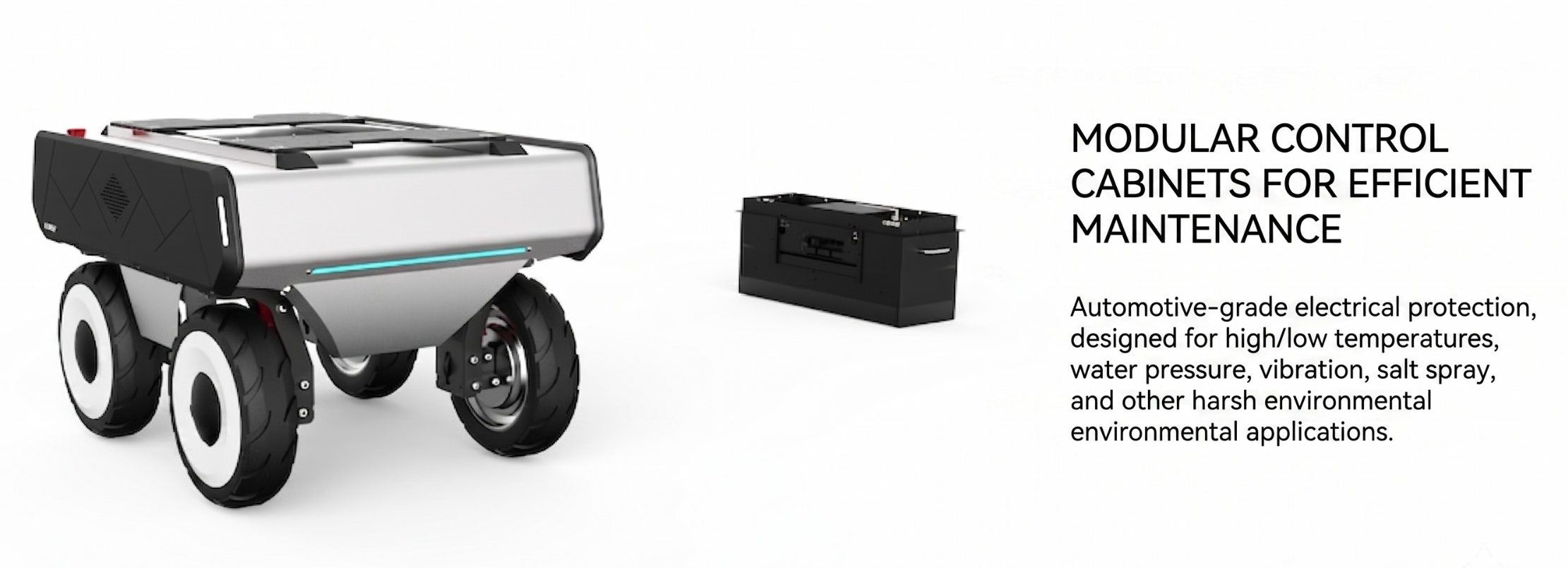
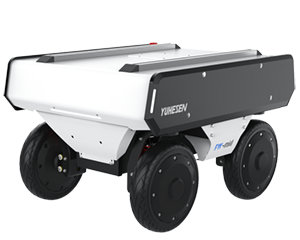
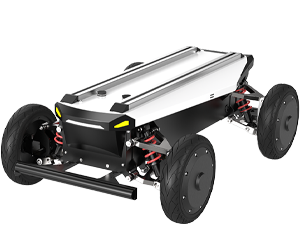
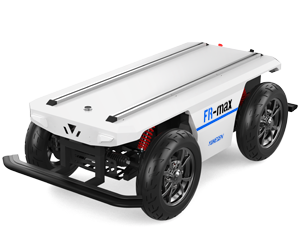
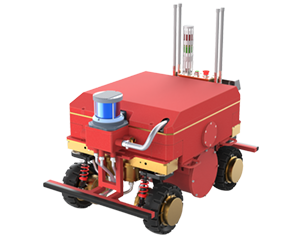
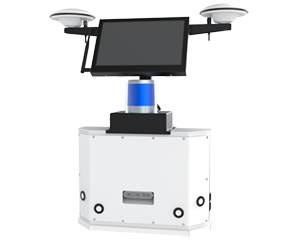
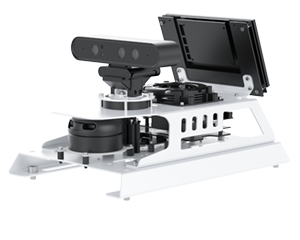
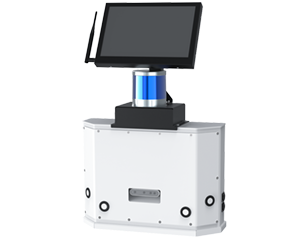
4WD-4WS mobile robot with modular control bay
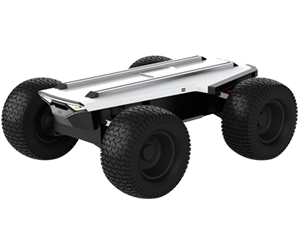
The 4WD-4WS mobile robot, by contrast, is more like a software-defined all-wheel-drive system: different operating modes can be defined in software or adjusted automatically according to working conditions, making operation easier and the intelligence level higher. Its independently driven, independently steered, and independently suspended architecture delivers superior traversability and off-road capability. Acceleration planning is performed for the steering trajectory, with interpolation along a compliant Ackermann curve, making steering smoother and more precise — meeting the demands of high-precision operation.
3. Diverse Motion Modes
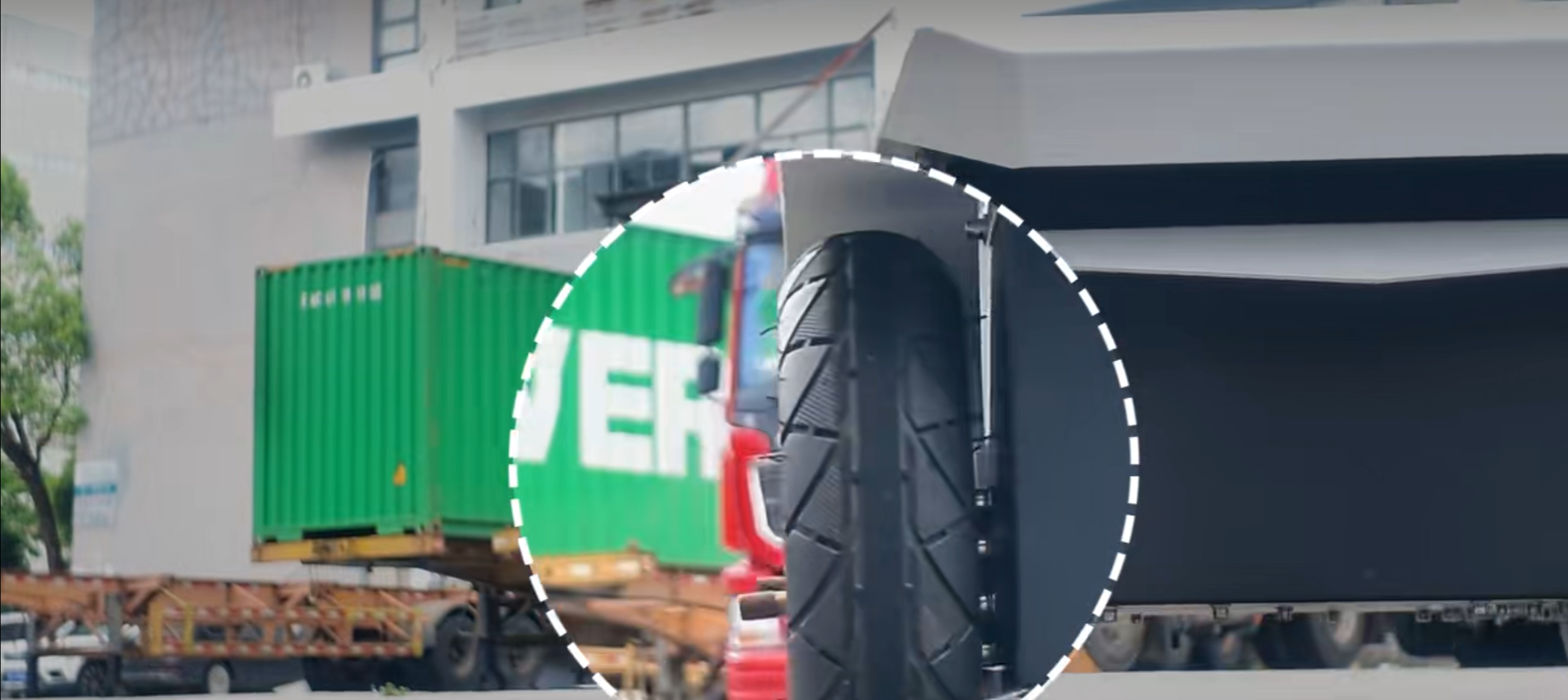
4WD skid-steer steering structure
3.1 4WD Skid-Steer: A Single Mode with Heavy Wear
A 4WD skid-steer chassis supports only one motion mode — differential steering — which relies primarily on skid steering. Compared with rolling friction, sliding friction causes extreme tire wear, and on hard surfaces such as concrete it easily leaves tire marks. Although it offers advantages such as in-place turning and a compact, agile form, the heavy wear on tires and components means it cannot meet the demands of long-duration, stable operation.
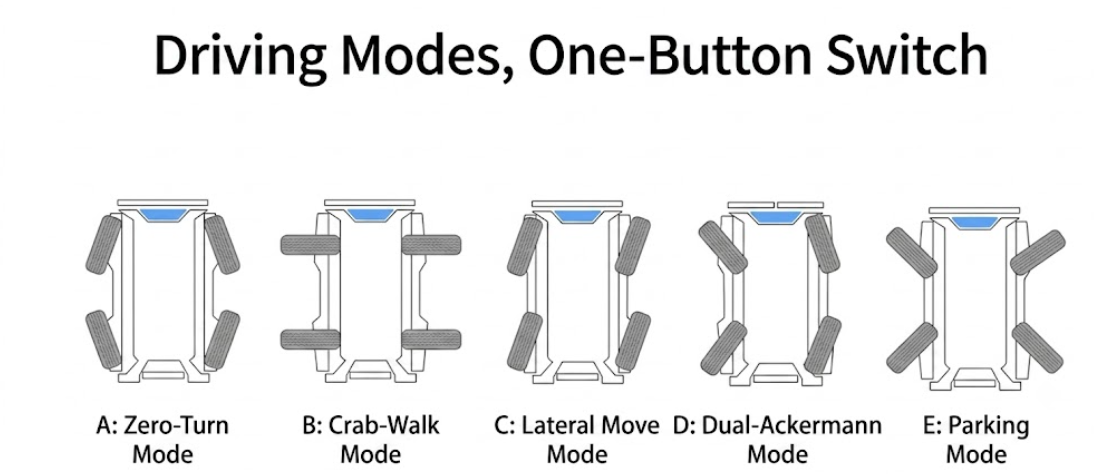
Multi-modal motion modes of the 4WD-4WS chassis
3.2 4WD-4WS: Four Modes for Flexible Operation
The 4WD-4WS structure offers multiple motion modes that greatly expand the robot's application scenarios:
1) Dual-Ackermann Mode: enables turning radii from +∞ to −∞, delivering silky-smooth steering curves — ideal for regular road driving;
2) Crab / Lateral Mode: supports pure lateral translation, enabling precise alignment in narrow aisles;
3) Diagonal Mode: enables steering from −90° to +90°; during high-speed turns, it lowers the vehicle's yaw rate to effectively suppress dynamic sideslip, keeping the body agile, stable, and fast through confined areas;
4) Parking Mode: the "X"-shaped parking design can hold the parked state for extended periods without draining the motors, improving motor efficiency. Even when powered off, the vehicle holds its position on slopes — no rolling, no sliding — providing multiple layers of effective safety protection.
A complete system architecture design and first-class drive-management algorithms control the entire vehicle with precision, and more than 20 built-in safety protection strategies comprehensively safeguard operational stability and accuracy.
4. Applications: The First Choice for Indoor and Outdoor Inspection and R&D
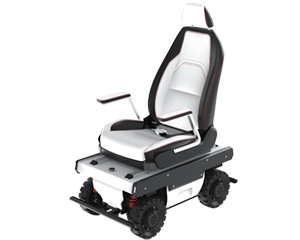
With its superior independently driven, independently steered, and independently suspended structure — plus multi-modal motion control capability — the 4WD-4WS mobile robot chassis is fully suited to inspection, research, and development applications across a wide range of indoor and outdoor scenarios.
Whether it is the stringent safety and comfort requirements of intelligent elderly-mobility robots, or the high precision and stability standards of industrial special-scenario inspection, the 4WD-4WS chassis delivers reliable support with high-precision, bounce-free, drift-free operation.
The YUHESEN 4WD-4WS mobile robot chassis features a modular control bay design — compact and easy to maintain — supporting rapid secondary development and industry-specific customization, making it the ideal foundation for partners building high-end mobile robot products.
5. Conclusion
From structural simplicity to intelligent control, from a single motion mode to flexible multi-modal switching, the 4WD-4WS mobile robot chassis is redefining the performance standard for high-end mobile robots. YUHESEN will continue to deepen its core chassis technologies, empowering partners — through an open, reliable, and efficient modular platform — to achieve product leaps in intelligent mobility, industrial inspection, special operations, and beyond.
To learn more about 4WD-4WS chassis technology or to request a customized solution, please contact the YUHESEN technical team.


